Forget the Stock Photo: How Hyper-Local Photography Is Taking Over America's Screens
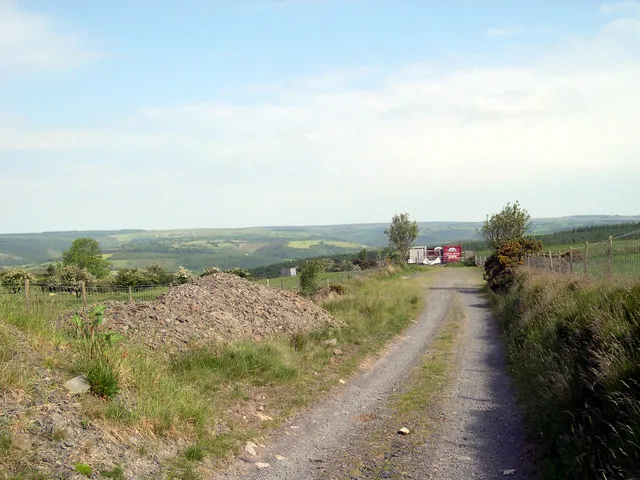
Photo: John Duckfield, CC BY-SA 2.0, via Wikimedia Commons
There's a creek that runs behind a neighborhood in Asheville, North Carolina. Most people who live nearby have crossed it a hundred times without thinking twice. But when a local photographer shot it at dawn last October — golden light cutting through the fog, leaves half-turned and trembling — something clicked. Within weeks, that image was on dozens of phones and laptops across the city. Not because it was sold on a stock site. Because someone texted it around and people just knew that place.
That's the new wallpaper economy, and it's growing faster than most people realize.
The Problem With Pretty
For years, the default move was simple: grab a wallpaper pack from a big-name source, pick the most dramatic mountain shot or the cleanest cityscape, and call it done. These images were technically flawless — sharp, well-composed, color-graded within an inch of their lives. And completely, utterly generic.
The issue isn't quality. It's connection. When your wallpaper could belong to literally anyone in any country, it stops doing the thing a great wallpaper is supposed to do: make your screen feel like yours.
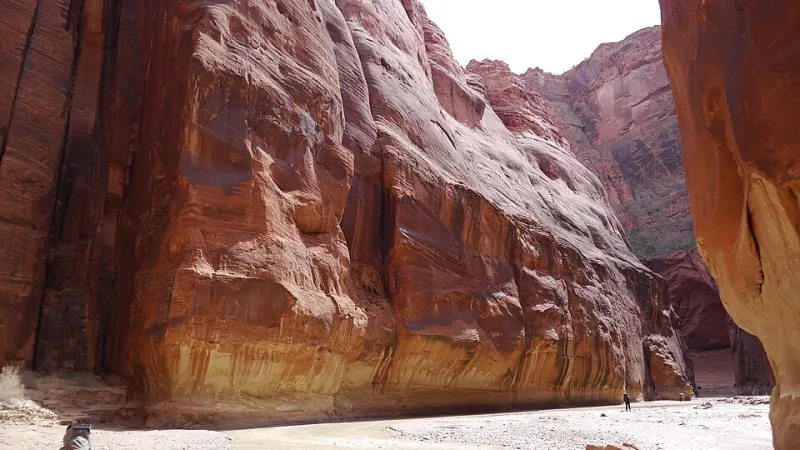
American users, in particular, have started pushing back. Maybe it's a broader cultural shift toward local-first everything — local food, local brands, local news. Or maybe people just got tired of seeing the same Antelope Canyon shot that's been screensaved to death since 2014. Either way, the appetite for imagery that feels genuinely rooted in a specific place, a specific community, a specific moment, is real and it's growing.
The Rise of the Neighborhood Photographer
Smartphone cameras have quietly become extraordinary tools. The gap between a professional DSLR and a flagship iPhone or Android has narrowed enough that talented hobbyists are producing genuinely stunning work — and they're doing it in places that big stock photography agencies would never bother to send a crew.
Think about what that unlocks. A photographer in Marfa, Texas capturing the flat, surreal light of the Trans-Pecos desert at 6 a.m. A shooter in Duluth, Minnesota documenting Lake Superior when the ice starts to break in March. Someone in rural Vermont who knows exactly where to stand on a hillside to catch the foliage at its absolute peak. These aren't images you'll find on a generic wallpaper site. They exist because someone lives there.
Platforms like Instagram, Etsy, and even local Facebook community groups have become informal marketplaces for this kind of work. People are reaching out directly to photographers whose work they've admired online, commissioning custom shoots, or simply buying digital downloads of images that resonate. The transaction is personal in a way that a bulk wallpaper pack never could be.
Why Authenticity Beats Polish
There's a psychological dimension here worth taking seriously. Research in environmental psychology has consistently shown that people feel calmer and more grounded when surrounded by imagery tied to places they have a personal relationship with. Your screen is something you look at dozens — sometimes hundreds — of times a day. That's a lot of exposure to whatever image you've chosen.
A wallpaper of a beach you've actually walked on hits differently than a wallpaper of a beach that's been algorithmically optimized for maximum visual appeal. One is a photograph. The other is a memory. The difference is enormous, even if you can't always articulate why.
This is what hyper-local photography taps into. It's not just about regional pride, though that's certainly part of it. It's about the feeling that your screen is telling a story that belongs to you, not to everyone.
The Communities Making It Happen
Across the country, informal networks of local photographers are emerging around this exact idea. Some are organized — photography collectives in cities like Portland, Chicago, and Nashville that pool their work and sell regional packs together. Others are completely grassroots: a single person in a small town who starts sharing their morning walks on Instagram and suddenly finds themselves fielding requests from neighbors who want that shot of the old grain elevator at sunset.
There are also artists pushing the concept further, blending photography with illustration or digital painting to create wallpapers that feel rooted in a specific American place while still having a distinctly artistic quality. A painter in New Mexico who works from her own landscape photographs. A graphic designer in coastal Maine who layers nautical maps beneath seascape imagery. The results are deeply local and deeply original.
For anyone hunting this kind of work, the search itself is part of the experience. Digging through a local photographer's Instagram feed, reaching out to ask about prints or digital files, discovering an artist you'd never have found through a standard wallpaper search — it's a fundamentally different relationship with the imagery you end up living with.
What This Means for Your Screen
If you've been defaulting to the same sources for your wallpapers, it might be worth asking what you're actually looking for. Is it technical perfection? There are plenty of places to get that. Or is it something that makes your screen feel like an extension of where you're from, where you've been, or where you belong?
The most interesting wallpapers circulating right now aren't coming from big content libraries. They're coming from someone who woke up early in a small town and caught the light doing something remarkable on a landscape most people have never heard of. They're coming from artists who care deeply about a specific patch of American ground and have the skill to show you why you should too.
Your screen has limited real estate. It might as well tell a story worth telling.