Famous or Forgotten? The Real Battle Over What Belongs on America's Screens
Photo: Thomas Peckett Prest, Public domain, via Wikimedia Commons
Open up any wallpaper gallery—on your phone, your laptop, a design app, wherever—and you'll notice something pretty quickly. The Grand Canyon. Yellowstone's prismatic springs. The Appalachian Trail doing its misty morning thing. Maybe Half Dome if you're feeling particularly outdoorsy. These images show up everywhere, cycling through screensavers and lock screens like old friends you didn't choose but somehow can't get rid of.
So here's the question nobody's really asking out loud: are we displaying these places because we genuinely love them, or because we've been quietly nudged in that direction by platforms, algorithms, and decades of tourism marketing?
Let's get into it.
The Icons Earned Their Spot—Kind Of
First, let's be fair to the classics. The Grand Canyon is almost 280 miles long and drops over a mile into the earth. Yellowstone sits on top of a supervolcano and has more geysers than anywhere else on the planet. These aren't just pretty pictures—they're genuinely staggering places, and the reason they became famous is precisely because they're visually overwhelming in a way that translates beautifully to a 4K display.
There's also a collective memory thing happening. If you grew up in the U.S., you've probably seen images of these places since elementary school. They're baked into the national imagination in a way that a remote creek in the Ozarks or a foggy estuary on the Oregon coast simply isn't. When you set one of these images as your wallpaper, you're not just picking a pretty background—you're reaching for something familiar. Something that feels like America with a capital A.
And honestly? That emotional shorthand is real and worth respecting.
But Here's Where It Gets Complicated
The problem isn't that people love Yellowstone. The problem is that the wallpaper ecosystem—the apps, the download sites, the Pinterest boards, the "top 10 desktop backgrounds" listicles—has quietly decided that these dozen or so locations are the whole story of American landscape photography.
Type "American wallpaper" into any search bar and you'll get the same rotation. It's like a jukebox with forty slots but only five songs loaded. The algorithm isn't evil; it's just optimizing for engagement, and engagement follows familiarity. People click on what they recognize. What they recognize gets surfaced more. And so the cycle locks in.
The result is a kind of visual monoculture. Millions of screens across the country showing the same canyon rim, the same bison silhouette at golden hour, the same arch framing the same stretch of desert sky. Beautiful? Absolutely. Representative of the actual visual diversity of this country? Not even close.
What Are We Actually Missing?
Here's a short, incomplete list of American landscapes that almost never make the wallpaper rotation:
- The bayou country of southern Louisiana, where Spanish moss drapes over still black water and the light does things that would make any photographer cry
- The sandhills of Nebraska, rolling and treeless and quietly surreal, covering nearly 20,000 square miles that most Americans couldn't find on a map
- The granite coast of Maine in January, when the rocks are iced over and the Atlantic looks like hammered steel
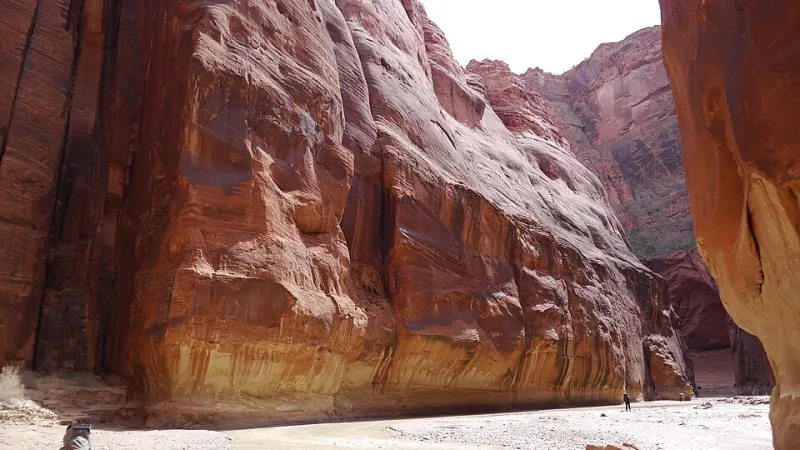
- The red rock canyons of the Escalante in Utah—technically near famous territory, but somehow perpetually overlooked in favor of its flashier neighbors
- The tallgrass prairies of Kansas and Oklahoma, which once covered 170 million acres and now exist in fragments that are strikingly, hauntingly beautiful
These places don't have the same Instagram footprint. They don't have the same National Geographic legacy. Some of them don't even have great cell service, which means they're harder to photograph casually and share instantly. But they are no less American, and in many ways, they're more honest portraits of what this country actually looks like when you get off the interstate.
The Identity Question Hiding Underneath
There's something worth sitting with here. When we collectively default to the same dozen landscapes, we're implicitly agreeing on a shared visual definition of America. And that definition skews heavily toward the dramatic, the vast, the untouched. The West. The wild.
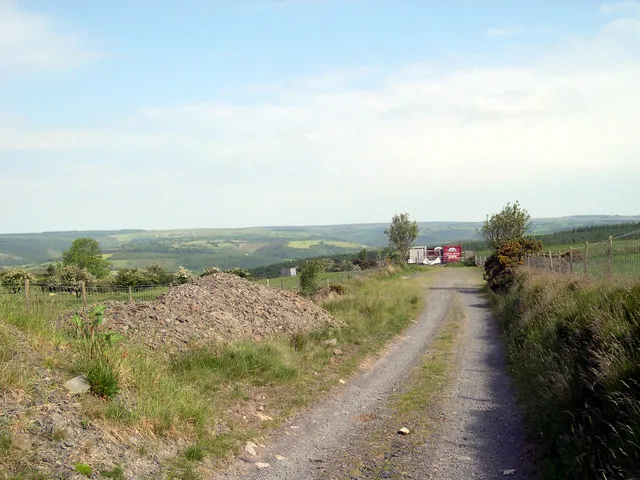
But America is also a cotton field at dusk in Alabama. It's the fog rolling through a valley in western Pennsylvania. It's the flat, sky-heavy horizon of the Texas panhandle, or the dense green tunnel of a forest road in the Smokies. These images carry regional identity in a way that a generic canyon shot simply can't.
When someone from coastal Georgia sets their wallpaper to a marshland image from the Golden Isles, they're doing something the Grand Canyon can't do for them—they're seeing their America on their screen. That specificity matters. It connects.
So Which Side Actually Wins?
Honestly? Neither, and that's kind of the point.
The national icons aren't going anywhere, and they shouldn't. There's genuine power in shared imagery, in the visual shorthand of a place that millions of Americans recognize and feel something about. Yellowstone on your screen isn't wrong—it's just one note in what could be a much richer chord.
The real shift worth pushing for is expanding the conversation. If wallpaper platforms and curators started treating Nebraska sandhills with the same editorial care they give to Utah arches, the whole ecosystem gets more interesting. Users get more choices that actually reflect where they're from, what they love, what feels like home.
And maybe the next time you're scrolling through backgrounds, you skip past the obvious choice. You find the foggy river valley nobody's heard of. You put that on your screen for a while.
See how it feels to carry a piece of the forgotten America with you every time you open your laptop.
Sometimes the best wallpaper isn't the one everyone else has. It's the one that's waiting to be discovered.