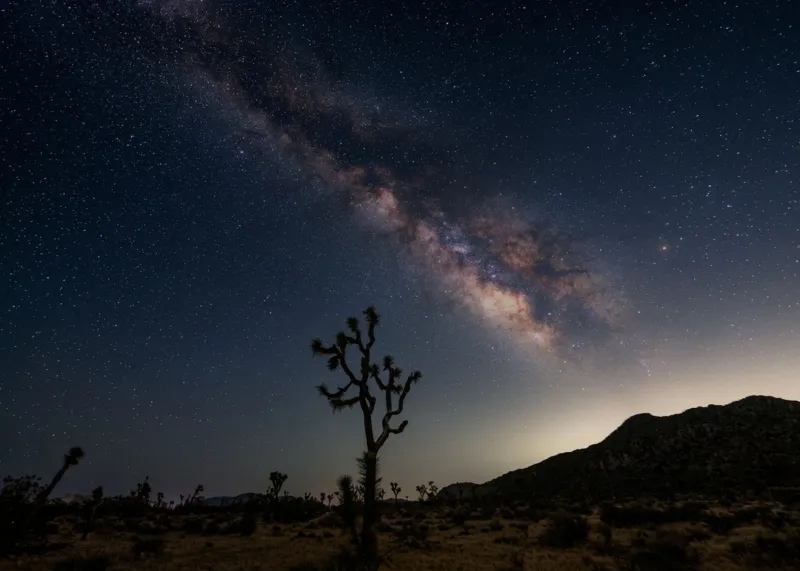
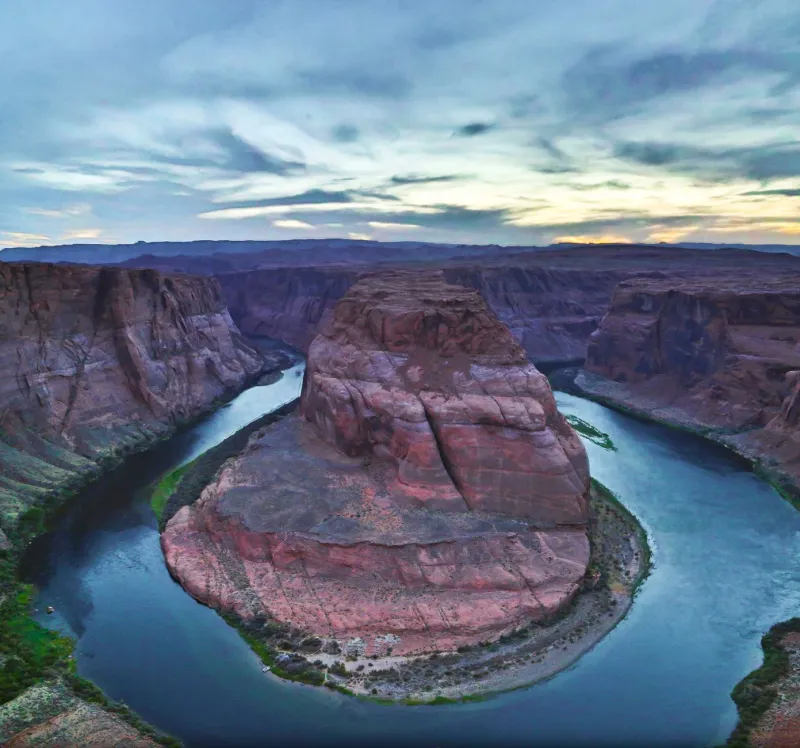
Chasing 6 A.M.: Why Golden Hour Owns America's Most-Downloaded Wallpapers
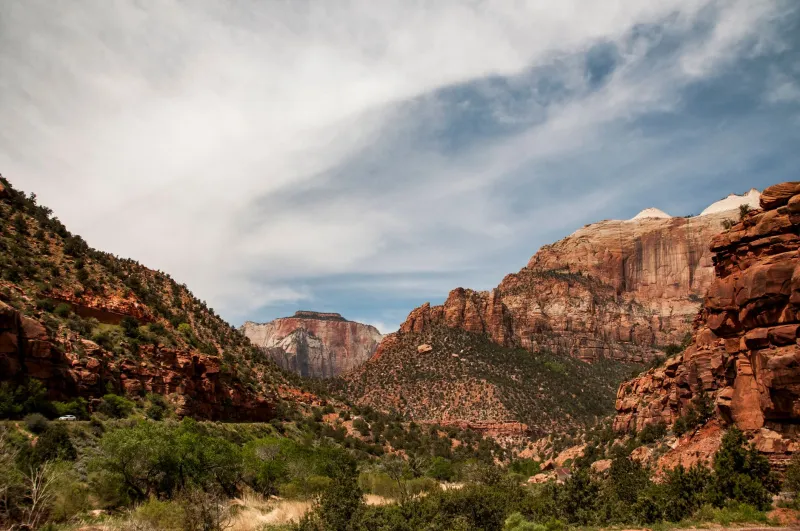
There's a moment, right around 6:07 a.m. on a clear October morning in Zion Canyon, when the sandstone walls turn the color of a struck match. Photographers call it "the burn." Park rangers call it "the show." Wallpaper download charts just call it Tuesday.
Scroll through any gallery of America's most-saved landscape backgrounds and you'll notice a pattern fast: almost everything was shot in the hour after sunrise or the hour before sunset. Golden hour isn't a trend. It's physics — and we're all responding to it, whether we know the science or not.
Why Warm Light Wins on a Screen
At sunrise and sunset, sunlight travels through more atmosphere. The shorter blue wavelengths scatter away, leaving reds, oranges, and golds to do the talking. When that low-angle light rakes across rock — think Zion's Navajo sandstone or the granite domes of Yosemite — it amplifies colors the stone already carries.
"Sandstone is basically a pre-loaded warm palette," says Marcus Idlett, a landscape photographer based in St. George, Utah. "Golden hour doesn't create the color. It unlocks it. Midday, the same wall looks flat and chalky. At 6 a.m., it looks like the inside of a campfire."
Water works the same trick. A calm stretch of the Yellowstone River at dawn will reflect the sky's warmth directly, doubling the amber tones in a single frame. That's a big part of why golden-hour images feel so rich on OLED and high-contrast displays — the deep shadows stay truly dark while the highlights glow without blowing out.
There's also a human element. Studies on color preference consistently show people gravitate toward warm hues and soft contrast. A wallpaper you glance at fifty times a day should feel like comfort, not an interrogation lamp. Golden hour delivers both beauty and a weird sense of calm.
The Big Three: Zion, Acadia, Yellowstone
Each of these parks earns its wallpaper dominance in a different way.
Zion is all about reflected light. The canyon walls bounce warm tones onto each other, so even shaded areas glow. Photographers call it the "bounce light bonus," and it means you can shoot well after the direct sun has dropped below the rim.
Acadia wins on water. From Cadillac Mountain — the first place in the U.S. to see sunrise for part of the year — dawn light spreads across the Atlantic and the park's granite coastline like syrup. Ocean plus low sun equals built-in drama.
Yellowstone brings texture. Steam rising off the Grand Prismatic Spring catches early light and turns pink. Bison silhouettes against fog. Every golden-hour frame feels like a movie still.
Want to Shoot Your Own? A Quick Field Guide
If you'd rather capture your own background than download one, here's what working photographers recommend:
- Arrive early, leave late. The best light bookends the day. Get to your spot 45 minutes before sunrise to set up in the blue.
- Shoot away from the sun, not into it. Front-lit rock glows; backlit rock silhouettes. Both work, but know which look you want.
- Underexpose slightly. Golden hour tricks your meter into brightening everything, which washes out the warmth. Dial back a third of a stop.
- Mind the aspect ratio. Shoot with your final screen in mind — vertical for phones, wide for desktop. A great photo cropped badly is a wallpaper wasted.
- Know the seasons. In summer, the sun rises too far north for some canyons. Fall and winter angles are lower and warmer, which is why so many iconic park shots come from October.
And if you're visiting a national park to shoot, do it right: stay on trails, know the permit rules for commercial-style work, and never block a roadway for a shot. The landscape was here first.
Choosing the Right Glow for Your Screen
Not every golden-hour image works as a wallpaper. Designers suggest a few rules of thumb:
- Look for a clear focal point. A lone tree, a peak, a reflection — something your eye lands on beneath your app icons.
- Avoid busy mid-tones. The best wallpapers have either smooth gradients or strong contrast, not visual clutter where your clock gets lost.
- Match the mood to the device. A fiery Zion sunset reads great on a desktop monitor. A softer Acadia dawn suits a phone you check first thing in the morning.
The Light Is the Point
In the end, the dominance of golden-hour wallpapers makes simple sense. It's the light we're built to notice — the same glow that once told our ancestors the day was starting or ending. America's national parks just happen to stage that light against some of the most photogenic geology on Earth.
So the next time you unlock your phone and catch a sliver of amber canyon under your notifications, know that somewhere, a photographer stood in the cold at 5:30 a.m. to get it. And know that you can too — the parks open early, the light shows up on schedule, and the glow is free to anyone willing to chase it.